Is Your Tea Bag Made of Plastic? The Truth About Microplastics in Tea

If you have been hearing more about microplastics lately, you are not alone. It is natural to wonder if something as simple as a tea bag could be part of the problem.
Key Takeaways
- KlenzTea tea bags are made from Soilon® (PLA), a plant-based material derived from plant starches.
- They are designed for hot-water brewing and may feel “plastic-like” because they are durable and heat-resistant.
- Soilon/PLA often breaks down best in commercial composting, so home compost may not break it down quickly.
- If you want “zero question marks,” you can open the bag and steep the herbs in a stainless-steel infuser.
More and more health-conscious people are asking an important question:
“Are tea bags made of plastic — and could I be drinking microplastics?”
It is a fair concern, and you deserve a clear, honest answer.
The Problem With Some Tea Bags
When people talk about “microplastics in tea,” they are usually talking about a specific type of tea bag: the smooth, “silky” pyramid bags that look premium and feel synthetic.
Many of these bags are made using petroleum-based materials such as:
- Nylon
- PET (plastic) mesh
Because tea bags sit in very hot water, some research and consumer advocacy groups have raised concerns that certain plastic-based tea bags may shed microplastics during brewing.
That is why we have always taken tea bag materials seriously.
What Our Tea Bags Are Made Of
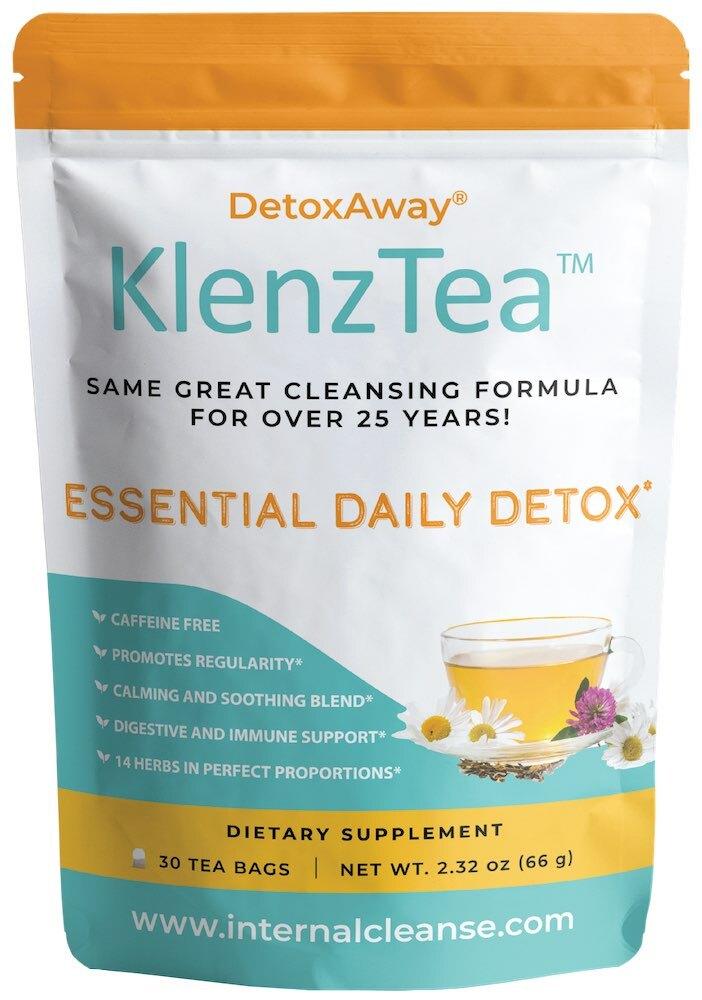
KlenzTea tea bags are made from Soilon® — a plant-based mesh material made from PLA (polylactic acid), which is derived from plant starches.
In plain English: even though the mesh can feel “plastic-like,” it is actually made from plant starches — not the typical plastic/nylon mesh used in many conventional tea bags.
This material is chosen because it is designed to be:
- Heat-resistant and durable (so the bag holds its shape while steeping)
- Food-grade and intended for hot-water contact
- Compostable under the right conditions
Soilon® is a registered trademark of Yamanaka Industry Co., Ltd.
Why the Tea Bag Material May Feel Different Than 20 Years Ago
Over the years, we improved the tea bag material so it would perform better during steeping. Some older tea bag materials could tear, leak, or release fine herbs into the cup. Our current plant-based Soilon® material is more durable and holds its shape in hot water.
That durability is also why it may feel different to the touch and why it may not break down quickly in backyard compost.
“If It Is Compostable… Why Does It Not Break Down in My Compost?”
This is the part that surprises many people — and it is a great question.
Even though Soilon is compostable, it usually breaks down best in commercial composting environments.
Commercial compost facilities maintain:
- higher temperatures
- consistent humidity
- active microbial conditions
Backyard compost piles vary widely and often do not get hot enough — which is why the tea bag may stay intact for a long time.
So this does not mean it is made from petroleum plastic.
It simply means it needs the right composting conditions to break down efficiently.
Frequently Asked Questions
1) Are KlenzTea tea bags made of plastic?
No. KlenzTea tea bags are made with Soilon® (PLA), a plant-based material derived from plant starches. The mesh can feel “plastic-like” because it is durable and heat-resistant, but it is not the typical petroleum-based nylon/PET mesh used in many conventional tea bags.
2) Why do the tea bags not break down in home compost?
Soilon/PLA typically breaks down best in commercial composting conditions (higher heat and consistent moisture). Backyard compost piles often do not reach or maintain those conditions, so the tea bag may remain intact for longer.
3) What is Soilon PLA tea bag material?
Soilon® is a brand of PLA (polylactic acid) tea bag material derived from plant starches. It is designed for hot-water contact and is compostable under the right conditions. Soilon® is a registered trademark of Yamanaka Industry Co., Ltd.
Our Promise to You
Internal Cleanse has been trusted for decades, and we take concerns like this seriously. If you ever have questions about ingredients, materials, or the cleanest way to use any product, we are here to help.
If you have concerns about a specific batch or would like additional details about our tea bag material, contact us and we will gladly assist.
*These statements have not been evaluated by the Food and Drug Administration. This product is not intended to diagnose, treat, cure, or prevent any disease.
Health & Longevity Insights Blog
-

Is Your Tea Bag Made of Plastic? The Truth About Microplastics in Tea
Jan 21st 2026If you have been hearing more about microplastics lately, you are not alone. It is natural to won
-

BIO-tract Probiotics: 15x Greater Survivability Than Capsules
Jun 22nd 2025Finally—A Smarter Way to Deliver Probiotics to Your Gut If you’ve ever taken a probiotic, you p
-
Is Streptococcus thermophilus Safe?
Apr 26th 2025Is Streptococcus thermophilus Safe? Why This Powerful Probiotic Is in Gut Mate “Someone looked at
- Read more articles